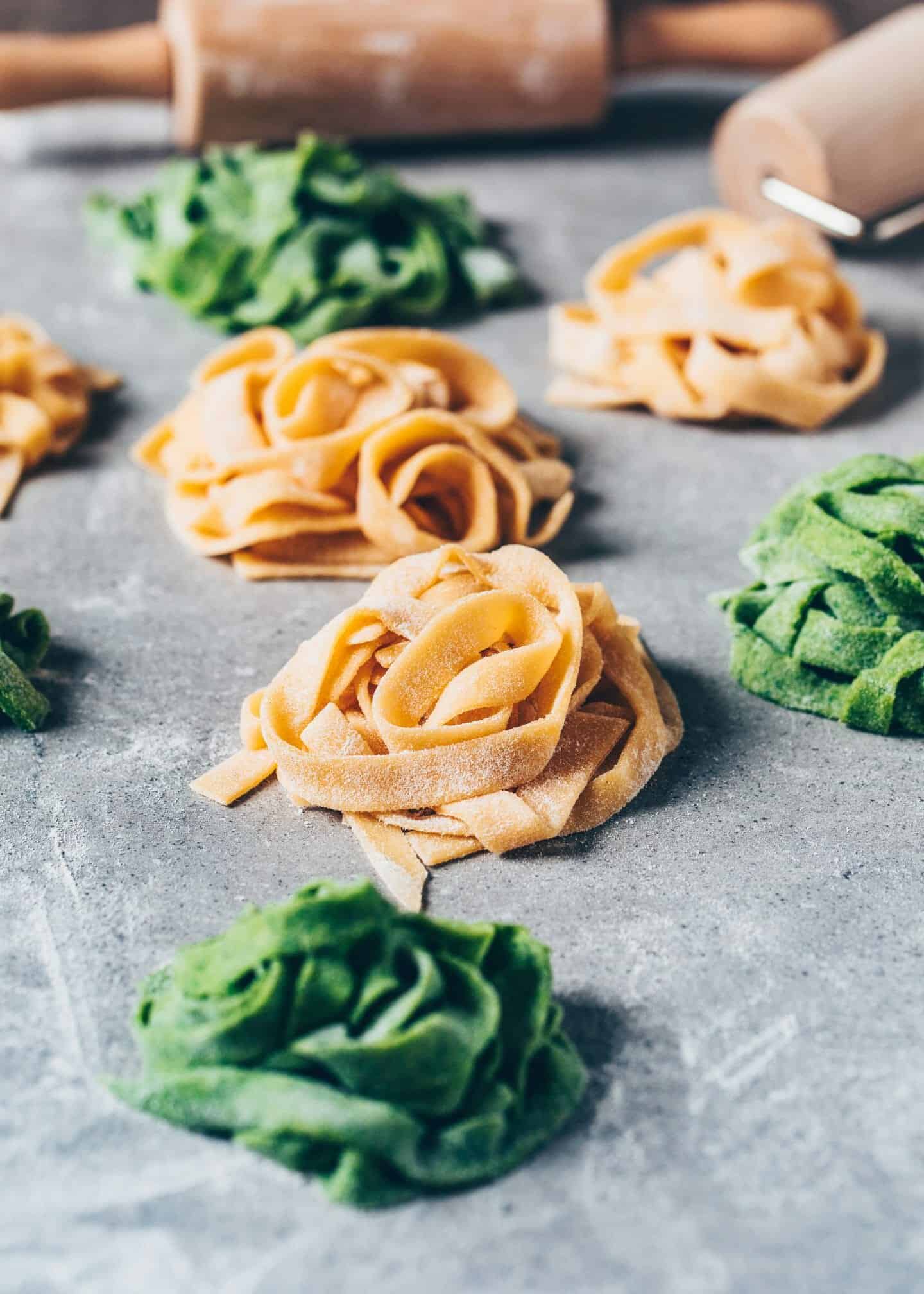
Homemade Eggless Pasta Dough: Your Guide to Fresh Vegan Pasta
There’s something undeniably special about a bowl of fresh pasta. The delicate texture, the way it clings to sauce, and the pure satisfaction of knowing it was made by hand. For many, the idea of creating pasta from scratch, especially an eggless version, might seem like a daunting task reserved for seasoned chefs or those with fancy kitchen gadgets. However, we're here to debunk that myth and show you exactly how to make vegan pasta at home with surprising ease.
This comprehensive guide will walk you through crafting delicious, egg-free pasta dough using just a handful of simple ingredients and basic kitchen tools. Forget the complex machinery and embrace the joy of traditional pasta-making. Once you discover the simple pleasure of homemade vegan pasta, you might never go back to store-bought again!
Why Choose Homemade Eggless Pasta? The Allure of Freshness and Flavor
While most store-bought dried pasta is naturally vegan, there's a world of difference in taste and texture when you opt for fresh, homemade varieties. The moment you take that first bite of freshly made pasta, you'll understand why it's a culinary experience many cherish. Here’s why diving into the world of homemade eggless pasta is a fantastic idea:
- Superior Texture and Taste: Fresh pasta boasts a delicate, tender bite that dry pasta simply can’t replicate. It absorbs sauces beautifully, ensuring every mouthful is packed with flavor.
- Control Over Ingredients: Making your own dough means you know exactly what goes into it. No preservatives, artificial colors, or unnecessary additives—just pure, wholesome ingredients. This is especially beneficial for those with dietary restrictions or allergies.
- Dietary Inclusivity: For vegans, those with egg allergies, or anyone looking to reduce their cholesterol intake, an eggless pasta dough recipe is a game-changer. It ensures everyone can enjoy the comfort of fresh pasta.
- A Rewarding Experience: There's immense satisfaction in creating something delicious from scratch. The process of kneading the dough and shaping it into beautiful strands is a therapeutic and enjoyable culinary journey.
- Versatility: Once you master the basic dough, the possibilities are endless! Experiment with different flours, add herbs or spices, or even vegetable purées for vibrant colors and subtle flavors.
The misconception that homemade pasta requires complicated equipment is often a barrier. But as you'll see, learning how to make vegan pasta at home is entirely achievable with just your hands and a rolling pin.
The Simple Essentials: Ingredients for Your Vegan Pasta Dough
One of the most appealing aspects of this eggless pasta dough recipe is its simplicity. You only need a few staple ingredients, most of which you likely already have in your pantry. This minimalist approach proves that gourmet results don't require an exhaustive shopping list.
Core Ingredients:
- '00' Grade Pasta Flour: This finely milled Italian flour is the gold standard for pasta making. Its low protein content results in a tender, silky dough that's easy to work with and cooks up beautifully. While ideal, if you can't find it, all-purpose flour can be used as a substitute, though the texture might be slightly less refined.
- Fine Semolina Flour (Durum Wheat Semolina): This coarse, yellowish flour, derived from durum wheat, is crucial for adding structure, chewiness, and a lovely golden hue to your pasta. It also makes the dough less sticky and easier to roll. A good blend of '00' flour and semolina provides the perfect balance of tenderness and bite.
- Extra Virgin Olive Oil: Beyond adding a subtle richness and flavor, olive oil contributes to the dough's elasticity and pliability, making it smoother and easier to knead and roll.
- Water: The binder that brings everything together, hydrating the flours to form a cohesive dough.
- Salt: Essential for seasoning the dough itself, ensuring your pasta isn't bland.
That's it! With these foundational components, you're well on your way to mastering how to make vegan pasta at home. For those interested in exploring further, feel free to check out our related article, Easy 3-Ingredient Vegan Pasta: No Machine Needed! for an even more streamlined approach.
Mastering the Dough: Step-by-Step for Eggless Perfection
The heart of any great pasta dish is the dough. Kneading and resting are crucial steps in developing the gluten structure, which gives fresh pasta its characteristic chew and elasticity. Don't rush these stages; they are vital for success.
Step 1: Combining the Dry Ingredients
Start by creating a clean, lightly floured work surface or using a large mixing bowl. Combine your '00' grade pasta flour and semolina flour. Add the salt and mix thoroughly. This ensures the salt is evenly distributed throughout the dough.
Step 2: Creating the Well and Adding Wet Ingredients
Form a "well" in the center of your flour mixture, much like a volcano. Pour the water and olive oil into this well. This method allows for a gradual incorporation of liquids into the flour.
Step 3: Mixing and Initial Dough Formation
Using a fork, begin to gently whisk the wet ingredients in the well. Gradually draw in small amounts of flour from the sides of the well, incorporating it into the liquid. Continue this motion, slowly bringing more flour into the center, until a shaggy, combined mixture forms. At this point, you can discard the fork and use your hands.
Step 4: The Art of Kneading
Transfer the shaggy dough onto your lightly floured surface. Now comes the kneading! This is perhaps the most critical step in learning how to make vegan pasta at home. Knead the pasta dough vigorously for about 10 minutes. Push the dough away from you with the heels of your hands, then fold it back towards you, rotating slightly with each push. The dough should transform from rough and crumbly into a smooth, elastic, and pliable ball. It should feel firm but springy to the touch. If the dough feels too dry and stiff, add water a tiny drop at a time (literally 1/2 teaspoon at a time) and continue kneading. If it's too sticky, add a pinch of flour. The goal is a dough that's firm but not tacky.
Step 5: The Essential Rest
Once your dough is smooth and elastic, form it into a ball. Place it in a bowl and cover it with a damp tea towel or muslin cloth. Alternatively, you can wrap it tightly in plastic wrap. Refrigerate the dough for at least 30 minutes (or up to an hour). This resting period is crucial as it allows the gluten to relax, making the dough much easier to roll out evenly and thinly without tearing.
Rolling and Shaping Your Homemade Vegan Pasta – No Machine Needed!
One of the most common myths about making fresh pasta is the absolute necessity of a pasta machine. While a machine certainly makes quick work of rolling, you absolutely do not need one for most pasta shapes! A sturdy rolling pin and a bit of "elbow grease" are all you need to create beautiful ribbon pasta. This is an empowering revelation when you're learning how to make vegan pasta at home.
Step 1: Preparing for Rolling
Take your rested dough out of the fridge. Cut the dough into two equal pieces. Working with smaller sections is significantly easier and allows for better control. Lightly flour your work surface and your rolling pin.
Step 2: Rolling Out the Dough
Place one piece of dough on your floured surface. Start by flattening it slightly with your hands. Then, using your rolling pin, begin to roll the dough from the center outwards, rotating it frequently to maintain an even thickness and shape. If the dough starts to stick, lightly dust it with more flour. The goal is to roll the dough as thinly as possible – aim for almost translucent, about 1-2mm thick. A good tip is to roll the dough between two sheets of parchment paper if you're struggling with sticking, removing the top sheet once it's thin enough.
Step 3: Shaping Your Pasta by Hand
For classic ribbon-style pasta like fettuccine, tagliatelle, or pappardelle, here’s a simple method:
- Once your dough sheet is rolled to your desired thinness, lightly flour both sides.
- Carefully fold the sheet of dough onto itself, creating a neat roll or accordion fold.
- Using a sharp knife, slice the folded dough into strips of your desired width. For tagliatelle, aim for about 1/4 inch wide. For fettuccine, slightly wider. For pappardelle, even wider.
- Gently unfurl the cut strips and lay them out on a lightly floured surface or hang them to dry slightly.
For rounded shapes like spaghetti, a pasta machine with a spaghetti attachment is generally recommended to achieve that distinct roundness. However, for a rustic feel, you can simply cut very thin strips by hand. Remember, authenticity is in the flavor and freshness, not always in perfect uniformity!
For more detailed visual guidance on hand-rolling and shaping, our article Make Fresh Vegan Pasta at Home: Just 3 Ingredients, No Machine! offers additional insights.
Cooking and Storing Your Homemade Vegan Pasta
Congratulations, you've made fresh vegan pasta! Now for the best part: cooking and enjoying it.
Cooking Your Fresh Pasta:
Fresh pasta cooks significantly faster than dried pasta. Bring a large pot of heavily salted water to a rolling boil – it should taste like the ocean. Add your fresh pasta and cook for typically 2-4 minutes, or until it's al dente (tender with a slight bite). Taste a piece before draining. Fresh pasta tends to float to the surface when done, but a taste test is always best. Reserve a cup of pasta water before draining; it's liquid gold for enriching your sauce.
Storing Your Homemade Pasta:
- Fresh (Short Term): Lightly dust the shaped pasta with semolina flour to prevent sticking. You can let it air dry for about 15-30 minutes on a baking sheet before loosely covering and refrigerating for 1-2 days.
- Freezing (Medium Term): For longer storage, dust the pasta well with semolina. Arrange it in single layers on a parchment-lined baking sheet and freeze until solid. Once frozen, transfer the pasta to an airtight freezer bag or container. It will keep for up to 1 month. Cook directly from frozen, adding an extra minute or two to the cooking time.
- Drying (Long Term): While more labor-intensive and requiring a pasta drying rack, you can fully dry your pasta for pantry storage, much like store-bought pasta. This typically takes 12-24 hours, depending on humidity. Once completely brittle, store in an airtight container for several weeks.
Conclusion
Making homemade eggless pasta dough is a rewarding culinary journey that transforms a few basic ingredients into something truly extraordinary. By following this comprehensive guide, you've not only learned how to make vegan pasta at home but also gained the confidence to bring fresh, flavorful, and incredibly satisfying meals to your table. Embrace the process, experiment with different shapes and sauces, and savor the unparalleled taste of pasta made with love, by you. It’s a simple pleasure that will elevate your weeknight meals and impress your guests, proving that gourmet vegan cuisine is well within your reach.
